

Haven’t got much time on your hands? Click here to read the key points.
In this Pinnacle Post interview, Amelia Linzey - Group Chief Executive of Beca - reflects on an inspiring career of almost 30 years at Beca. From reaching the highest technical position as Chief Planner to transitioning into executive leadership and becoming Group Chief Executive, Amelia is a valued based leader who is in a position to offer a unique perspective on the world today. She discusses the importance of doing things that “scare you”, her aspirations for Beca and offers plenty of valuable advice for young professionals.
Q: What did you want to be when you were growing up, and how did your upbringing shape those aspirations?
A: I was born in Australia but have deep roots in New Zealand. My grandparents lived on a farm in Pirongia, and my family are fifth-generation New Zealanders. Moving back to New Zealand at age eight made me realise the difference between being new in a place and being embedded in a place. This sparked a passion for how people interact with the land. Originally, I thought I would end up in conservation or ecological restoration. It wasn't until later, through university studies in biogeography and systems thinking that I became excited by the connection between resources, the environment, and economic prosperity.
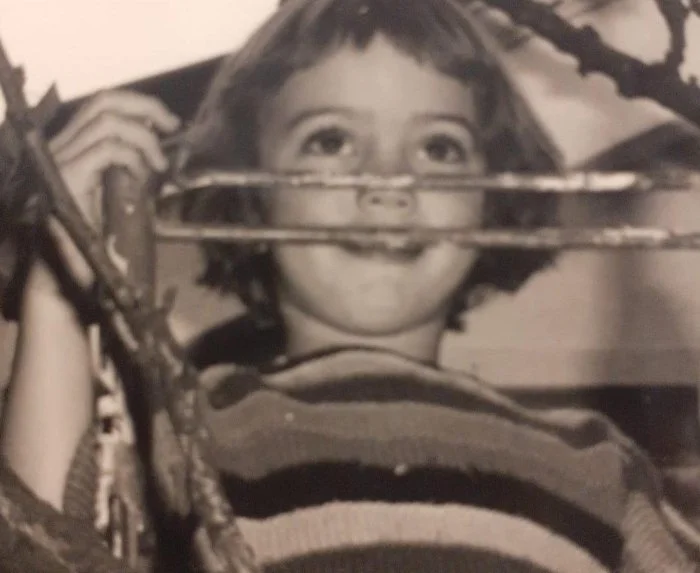
Amelia as a kid.
Q: You come from a family of educators. Did you ever consider following in their footsteps?
A: My father, mother, sisters, aunts, and uncles were all teachers. While I love learning and watching people grow, I realised early on that I don't have the patience to be a teacher. I preferred the complexity of the world and understanding what it takes to get steel on the roof or electricity to a home.
Q: After finishing your Bachelor of Science degree at the University of Auckland, you chose to continue into a Master's degree. What led you to that decision, and how did it prepare you for your career?
A: I wasn't a brilliant student in high school, but I found that my grades improved the further I advanced through university. I decided to pursue a Master's because I felt I hadn't yet stretched my thinking as much as I wanted to.
In hindsight, it was incredible preparation for consultancy. Exams, for example, teach you about decision-making under pressure and the importance of "on-time, just-enough delivery", which is exactly what you need in the consulting world. The research thesis was also a masterclass in project management; it’s about taking a seed of an idea and figuring out how to turn it into a final, polished document a year later. I did briefly ponder doing a PhD, but eventually, I reached a point where I needed a bit of "economic prosperity" alongside that mental stimulation, so I headed into the working world.
Exams, for example, teach you about decision-making under pressure and the importance of "on-time, just-enough delivery", which is exactly what you need in the consulting world.
Q: Your first role out of university was at the Whangarei District Council. What was that experience like?
A: I graduated during a tight job market and had to think laterally, applying for everything from park ranger roles to policy work. At Whangarei District Council, I was a policy planner tasked with talking to farmers about riparian planting and fencing off streams. Being a new graduate sent out to have these conversations with experienced farmers was a challenge, but I loved finding common ground and understanding different perspectives. It taught me that systems are complex because everyone uses resources in different ways.
Q: One year after starting at Whangarei District Council, you joined Beca and have been there ever since. What has kept you at Beca for nearly three decades?
A: People often wonder how someone stays at one company for so long, but for me, it has been a "job of many jobs". The diversity of projects, from coastal strategies in Hastings to underground railway stations at Britomart and hazard resilience in Samoa, kept me energised. If you put your hand up at Beca, you get opportunities to recreate yourself. I am passionate about ensuring we keep those career opportunities alive as we grow so that people can move between roles and geographies.
If you put your hand up at Beca, you get opportunities to recreate yourself. I am passionate about ensuring we keep those career opportunities alive as we grow so that people can move between roles and geographies.
Q: How did you transition from technical roles into management and, eventually, the CEO position?
A: The transition was both intentional and opportunity led. I took various leadership courses, such as a frontline management course and a course through Global Women, which helped me move from technical thinking to systems and corporate thinking. I’ve also found that serving on boards, whether it’s a project board or a group board is an excellent way to see how a system works and how all the different pieces of a business connect. Being on the Beca group board meant I already had a deep understanding of our strategic goals, such as our financial enterprise system change, before I even stepped into the CEO role. I didn't necessarily have a burning aspiration to be CEO, but I did have a burning aspiration to drive change and impact.
I didn't necessarily have a burning aspiration to be CEO, but I did have a burning aspiration to drive change and impact.
Q: Can you walk us through the actual process of becoming the CEO? I imagine it was a significant undertaking with numerous interviews.
A: It was certainly a rigorous and structured process that took quite some time. Because we use a recruitment agency for executive and board appointments, I first went through an external screening process. Following that, I was interviewed by a subcommittee of the board, which primarily consisted of our chair and external board members. The final stage of the process was a full board presentation.
I actually really enjoyed the preparation because it forced me to think deeply about what goals I would work with the board to set and how I would deliver them, rather than just working toward a client's established goals. In many ways, it felt similar to pitching for a large-scale project, which was an experience I was already comfortable with. It was a necessary way to test myself and ensure I was the right fit for the direction of the business.
Q: What has been the biggest surprise or challenge since taking the helm?
A: The level of oversight was higher than I expected; having monthly board meetings feels like a performance review every month. Also, while I had a managed three-month handover, the economic environment was more dramatic than anticipated. I’ve learned that while you know a challenge will pass, it is different to knowing it in your heart while leading a business through it.
I’ve learned that while you know a challenge will pass, it is different to knowing it in your heart while leading a business through it.
Q: Looking back on your journey, what would you say are the most defining moments that have set you up for where you are today?
A: There have been many, but the most impactful moments were when I had to decide whether to stretch myself into an opportunity that felt a bit scary. About a year or two into my time at Beca, I was tasked with leading the option evaluation work for the Hobsonville State Highway 16/18. I hadn’t done anything like it before, and it represented a massive step change in my career. What made it work was having a support system of people I could check in with to ensure I was on the right path. That experience turned me into a bit of a "junkie" for big, complex projects, particularly alliances and job directorships, because that is where you can truly have the most impact. Taking those opportunities that require courage while having the confidence to ask for help along the way is what ultimately defined my path.
Taking those opportunities that require courage while having the confidence to ask for help along the way is what ultimately defined my path.
Q: Looking back at your journey, what do you think is the main thing that has enabled you to succeed and grow through so many different industries and roles?
A: A significant strength from my background is community consultation. It taught me that everybody is different, and success depends on how you find, build, and grow connections deliberately and carefully. I also work hard to ensure my actions align with my values. When you are working with your values, the chances of being successful are much higher, whereas a lack of alignment leads to self-doubt and discomfort. Finally, I try to stay realistically optimistic and ensure I’m having fun. We spend a lot of time at work, and finding satisfaction in hard work and commitment is what makes it worth doing.
When you are working with your values, the chances of being successful are much higher, whereas a lack of alignment leads to self-doubt and discomfort.
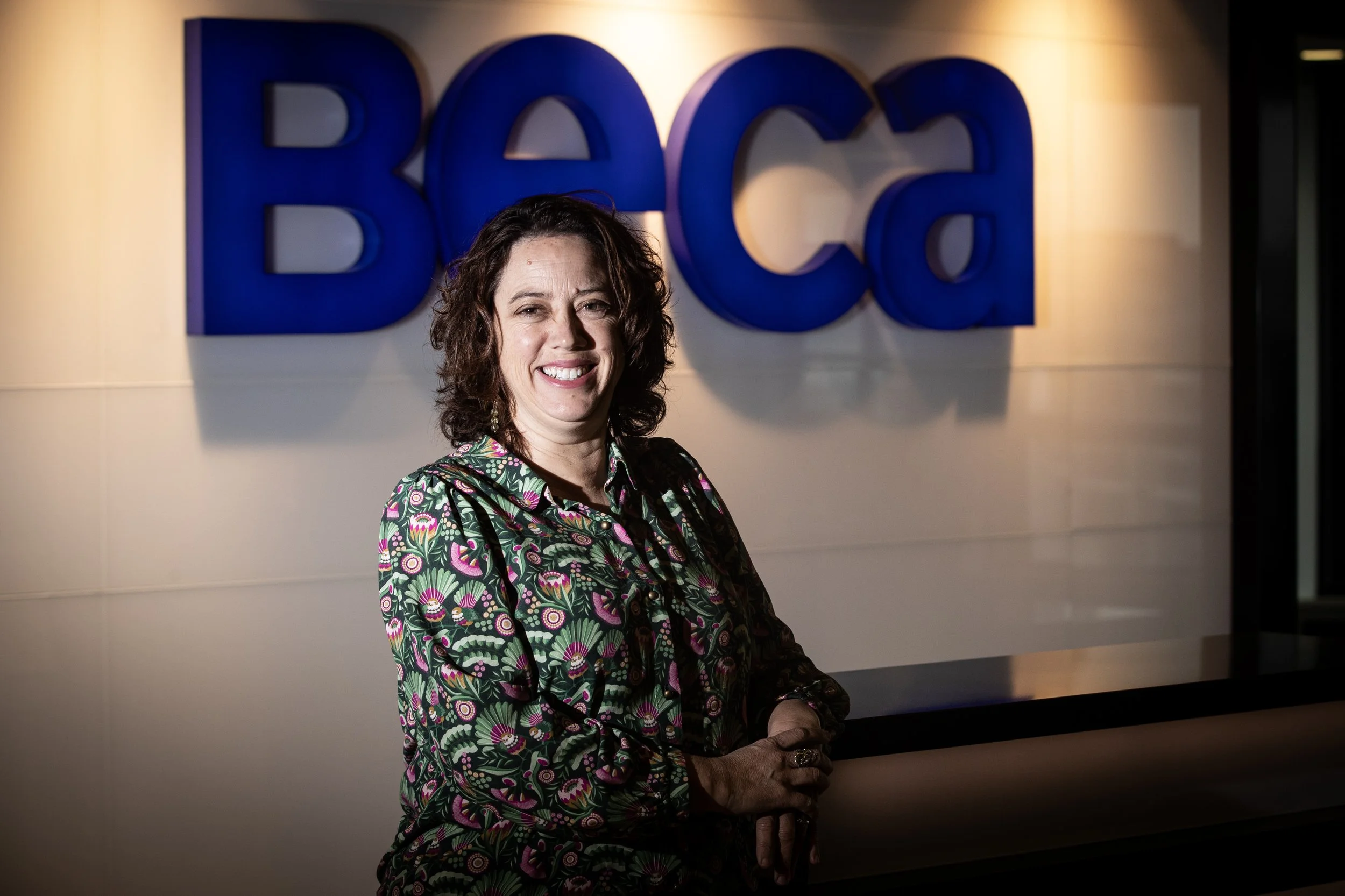
Amelia when she was announced as Group Chief Executive of Beca.
Q Looking back at the challenging past year, would you describe it as one of your career lowlights?
A: I wouldn't call it a lowlight at all, but it certainly involved several moments of “deep breath”. Navigating a major and expensive system change while rewiring how we think as a business created a huge cognitive load for everyone, which was naturally exhausting. There were definitely some courage moments and very difficult decision moments that I didn't necessarily enjoy. However, I don't view these challenges as something to regret; you handle them the best way you can, take the time to recharge, and keep moving forward.
Q: Your LinkedIn profile highlights "enterprise transformation." Can you elaborate on what that looks like for a 105-year-old company like Beca?
A: Because Beca is 105 years old and I am only the eighth CEO in our history, we don't change leadership very often. I believe we should use these leadership transitions to achieve a step change in the businesses’ evolution. For me, transformation isn't about undoing our successful legacy; it’s about making intentional direction choices that provide the next generation of the business with the best possible options.
My goal is to set us up so that we are a 200, 300, and eventually a 500-year business, and we simply cannot achieve that by standing still. This transformation involves expanding our growth in Australia to create new career opportunities and sharing ideas across New Zealand, Australia, and Asia. It’s about being overt about where we want to shift to meet our 2030 aspirations and ensuring we are constantly evolving to stay prosperous.
My goal is to set us up so that we are a 200, 300, and eventually a 500-year business, and we simply cannot achieve that by standing still.
Q: You are well-known for your focus on setting clear objectives. Why is this something you push so strongly within the business?
A: I am particularly passionate about two things: how fast we can promote our people and where they get their energy from. As businesses grow, they often default to rigid annual performance and remuneration cycles, but in a dynamic consultancy, we should be able to move faster for those who want to. If you are clear about what the business needs and what you want from the business, and you "kick those objectives out of the park" in six months, we should be talking about a promotion then, rather than waiting for a yearly cycle.
I also believe that energy comes from either continuing to stretch yourself or from growing other people. Setting objectives allows us to be overt about those aspirations. They aren't meant to be cast in stone; I’ve had years where a new, exciting project came along that shifted my focus, but they provide a necessary direction. At the end of the year, having those objectives gives you a true sense of achievement and satisfaction because you can see exactly how you've grown.
At the end of the year, having those objectives gives you a true sense of achievement and satisfaction because you can see exactly how you've grown.
Q: How do you manage the immense pressure and travel that comes with the role?
A: I’ve always blended work and life. When my kids were young, I brought them on site visits or used flexibility to work intensely between school drop-offs and pickups and then log back on at night. To recharge, I read books and avoid television. I also find train travel to be a great way to decompress or catch up on audiobooks. I try very hard not to work on weekends to ensure downtime is downtime.
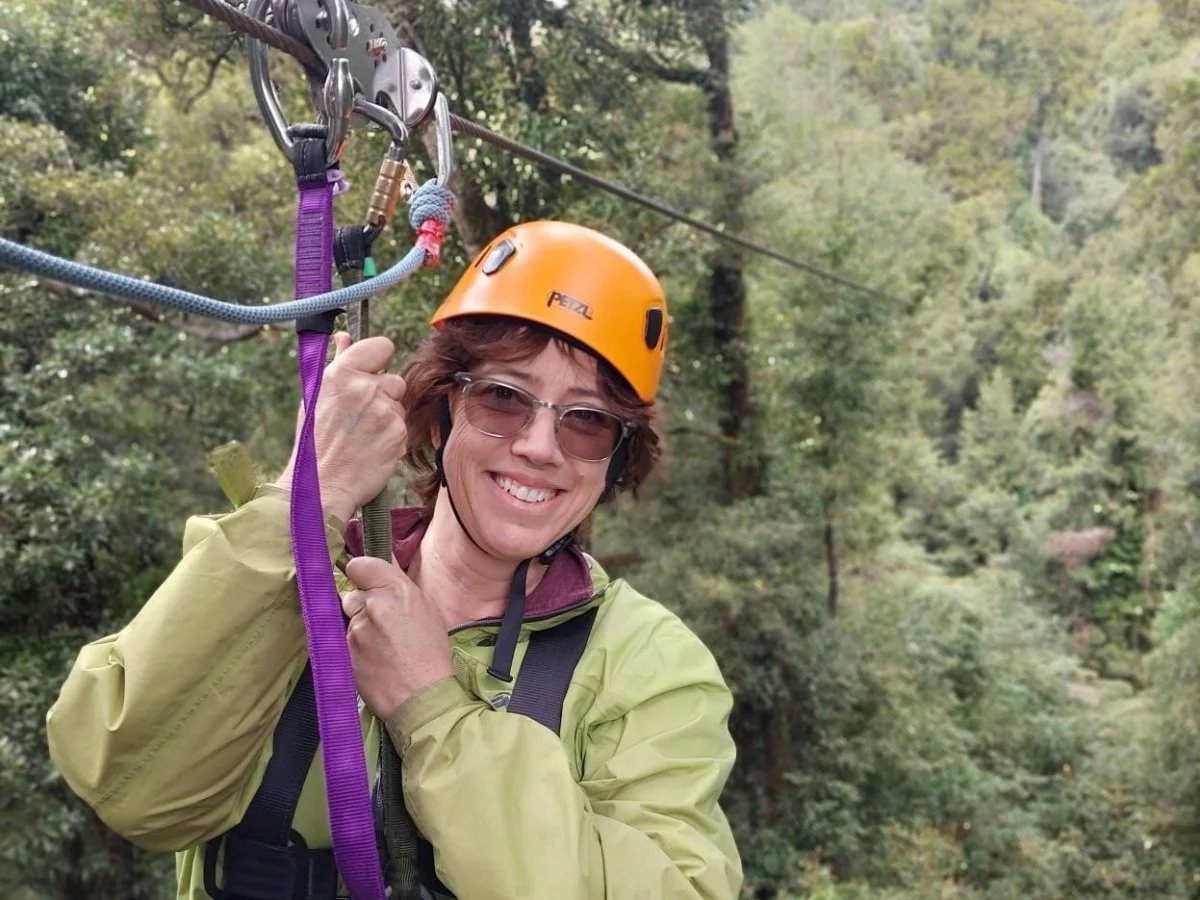
Amelia enjoying some time outside of work.
Q: What does Amelia stand for?
A: My goal is to stand for the idea that the work we do at Beca changes the world, and we want to change it in the best way possible. I call it optimistic dissatisfaction. This means being proud of our 105-year legacy and the measurable impact we’ve made while constantly evolving to do things better. We must test if our current solutions are truly the best for the future, such as transforming industrial processes like steel manufacturing to be more sustainable.
My goal is to stand for the idea that the work we do at Beca changes the world, and we want to change it in the best way possible. I call it optimistic dissatisfaction. This means being proud of our 105-year legacy and the measurable impact we’ve made while constantly evolving to do things better.
Q: With so much already achieved in your career, what’s next for you?
A: Right now, I am focused on our 2030 aspirations for Beca. I am committed to the energy needed for that race and ensuring we reach those milestones. A big part of what’s next for me is also preparing the way for the future generation of leadership; I am dedicated to creating opportunities so that I can eventually hand over the reins to the next set of leaders. While I do have plans for what comes after that period, this role is my absolute priority for the foreseeable future.
A big part of what’s next for me is also preparing the way for the future generation of leadership; I am dedicated to creating opportunities so that I can eventually hand over the reins to the next set of leaders.
Q: What is your advice for young professionals looking to accelerate their growth?
A: Take the opportunities that scare you. If you aren't challenging yourself, you miss out on the satisfaction of success. Also, have the courage to ask for help; people are incredibly willing to provide guidance if you ask.
Take the opportunities that scare you. If you aren't challenging yourself, you miss out on the satisfaction of success.
Q: For those currently in technical roles like engineers or planners who aspire to move into management or leadership, what is your best advice for making that leap?
A: I think a great starting point is to look at the project you are currently working on and realise that you are already involved in culture and system change for that client or business. Instead of just focusing on your specific technical work package, push your thinking to understand how that project will require the rest of the business to change how they operate.
I think a great starting point is to look at the project you are currently working on and realise that you are already involved in culture and system change for that client or business. Instead of just focusing on your specific technical work package, push your thinking to understand how that project will require the rest of the business to change how they operate.
I often think of the famous saying about the bricklayer: are you just laying a brick, or are you building a cathedral? My advice is to push yourself to see the "cathedral" you are contributing to. Talk to your clients or your own business about opportunities to stretch into those broader areas. By understanding how different things drive different outcomes, you naturally build the insight needed to move from a technical role into one that manages and delivers at a higher level.
I often think of the famous saying about the bricklayer: are you just laying a brick, or are you building a cathedral? My advice is to push yourself to see the "cathedral" you are contributing to.
Q: You have a unique perspective across many different markets. What is your future outlook for the young people entering these industries today?
A: It is a big question for New Zealand right now. We need to focus on an industrial core, whether that is manufacturing, food-based industries, or leveraging our natural assets like geothermal, hydrological, and solar resources for renewable energy. There are also unique opportunities where our geographic isolation is a benefit, such as in aerospace.
As the world stage becomes a global marketplace, we need to focus on our competitive advantages and champion them. I am very positive about this; I’ve seen the ideas university students are exploring, and it’s clear we have the talent, we just need to work out how to harness that innovation and plug it in. We should all be championing the huge opportunities to be prosperous right here in New Zealand.
Q: A popular topic for many young professionals is the "Big OE" (Overseas Experience). What is your advice for those considering it?
A: Don’t do what I did! I had big OE plans, but my husband’s and my careers made long trips tricky, so we did shorter, five-week stints instead. My advice is to simply do the trip that excites and scares you the most. It is a New Zealand mainstay and a great privilege, but I always joke about ensuring you buy a round-trip ticket, so you actually come back.
Q: Many of our readers are young professionals who are beginning to think about their financial futures. Do you have any general advice or wisdom you could offer them?
A: The traditional path of buying a home and then investing in shares might need to be turned on its head. In cities like Auckland, Sydney, or Melbourne, housing debt can be crippling. It might be smarter to grow your capital incrementally first - perhaps through shares - to avoid being burdened by massive debt early on. We need to think hard about the sustainability of the current housing situation for future generations.
Q: What advice would you give your younger self?
A: I give my children advice all the time, though they often just frown at me! If I were speaking to my younger self, the main thing I would say is not to stress everything so much. I have been fortunate to have had a good run and have had a lot of fun throughout my career, and it is important to remember that it is going to be okay. I try to remind my own kids to have fun; even though they work all the time, I truly hope they are enjoying the process as much as I have.
I have been fortunate to have had a good run and have had a lot of fun throughout my career, and it is important to remember that it is going to be okay.
Q: If neither time nor resources were a constraint, what ultimate goal or dream would you pursue or have pursued?
A: To be honest, I don’t think there is anything I haven’t done that I truly aspired to. If I were to pinpoint one thing, I might have thought I would spend more time traveling and seeing the world. However, for me, that constraint isn't about time or resources; it’s a carbon issue. You constantly have to work to find a balance that you are comfortable with regarding your environmental impact. While I have taken my children on significant trips, such as traveling around Asia, I now try to make fewer, larger moves rather than many small ones to ensure I have the carbon equation right. Ultimately, there isn’t much in my life or career that I wouldn’t have done.
About Beca
Beca is an employee‑owned professional services consultancy founded in Aotearoa New Zealand, partnering with clients across Asia–Pacific and beyond to plan, design and deliver infrastructure, buildings and industrial projects. Beca blends engineering and advisory expertise with digital innovation and a strong sustainability focus to create resilient, people‑centred solutions and lasting value for communities and organisations.
Visit the website here: https://www.beca.com/
About Global Women
Global Women is an Aotearoa New Zealand network championing diversity and inclusion in leadership. Bringing together leaders from business, government, and the community, it accelerates the advancement and impact of women through advocacy, leadership programmes, mentoring, and thought leadership.
Visit the website here: https://globalwomen.org.nz/
About Whangarei District Council
Whangarei District Council (WDC) serves a diverse, growing part of Te Tai Tokerau/Northland that spans city, coast and rural communities and delivers core services such as water, wastewater, roads, parks, libraries and community facilities while planning for resilient growth. Working in partnership with hapū and iwi and local stakeholders, WDC stewards taonga such as Whangarei Harbour and supports vibrant places from the Town Basin and Hātea Loop to Te Matau ā Pohe and the Hundertwasser Art Centre, with a focus on sustainable infrastructure, housing and economic development.
Visit the website here: https://www.wdc.govt.nz/Home
About University of Auckland
The University of Auckland is a comprehensive university in Tāmaki Makaurau, offering programmes across many disciplines and pursuing research that benefits Aotearoa New Zealand’s communities and industries. With strong partnerships and a focus on innovation and sustainability, the University helps students, staff and organisations turn ideas into impact.
Visit the website here: https://www.auckland.ac.nz/
